
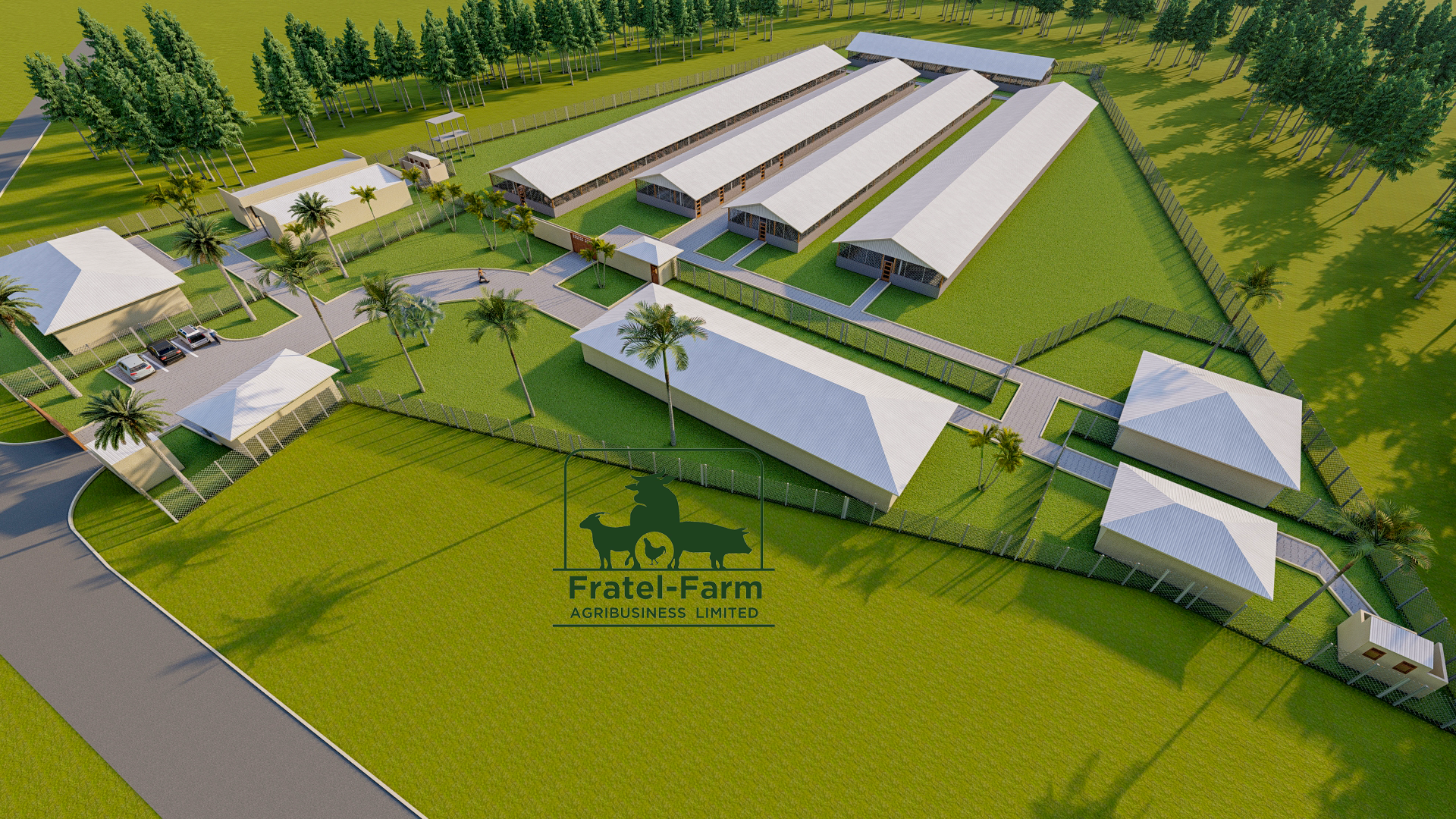
Uganda's pig industry is shifting to commercialisation rapidly, with more investment in genetics, nutrition, farm structures, and market access.
🚧 The Copy-Paste Problem
Yet the "copy and paste" approach to farm structures is still very habitual — some farmers construct expensive housing without a plan tailored to their own capacity, often using an outdated open-apron design.
⚠️ Piggery structures should be fully covered with mesh/netting to keep off wild birds, a possible carrier of the incurable and devastating African Swine Fever (ASF).
📐 What a Well-Designed Piggery Actually Considers
A well-designed piggery structure weighs several critical factors:
- The number of animals you plan to keep.
- Local climate and weather patterns.
- Ventilation requirements.
- Drainage and waste management.
- Ease of cleaning and disinfection.
- Biosecurity protocols.
- Future expansion possibilities.
💸 Where Farmers Lose Money
Many farmers overspend on structures because they copy designs meant for different scales or climates. A structure built for 100 pigs is not appropriate for 10 pigs, yet the same design is often replicated. Similarly, designs from cooler regions may not provide adequate ventilation in Uganda's warmer climate.
💡 Fratel Farm Insight: Get a plan that matches your actual capacity — don't overspend on structures and leave too little for genetics, nutrition, and other essentials.