Farm Smarter, Earn More
Expert articles to help you make better decisions on your farm
 Swine Management
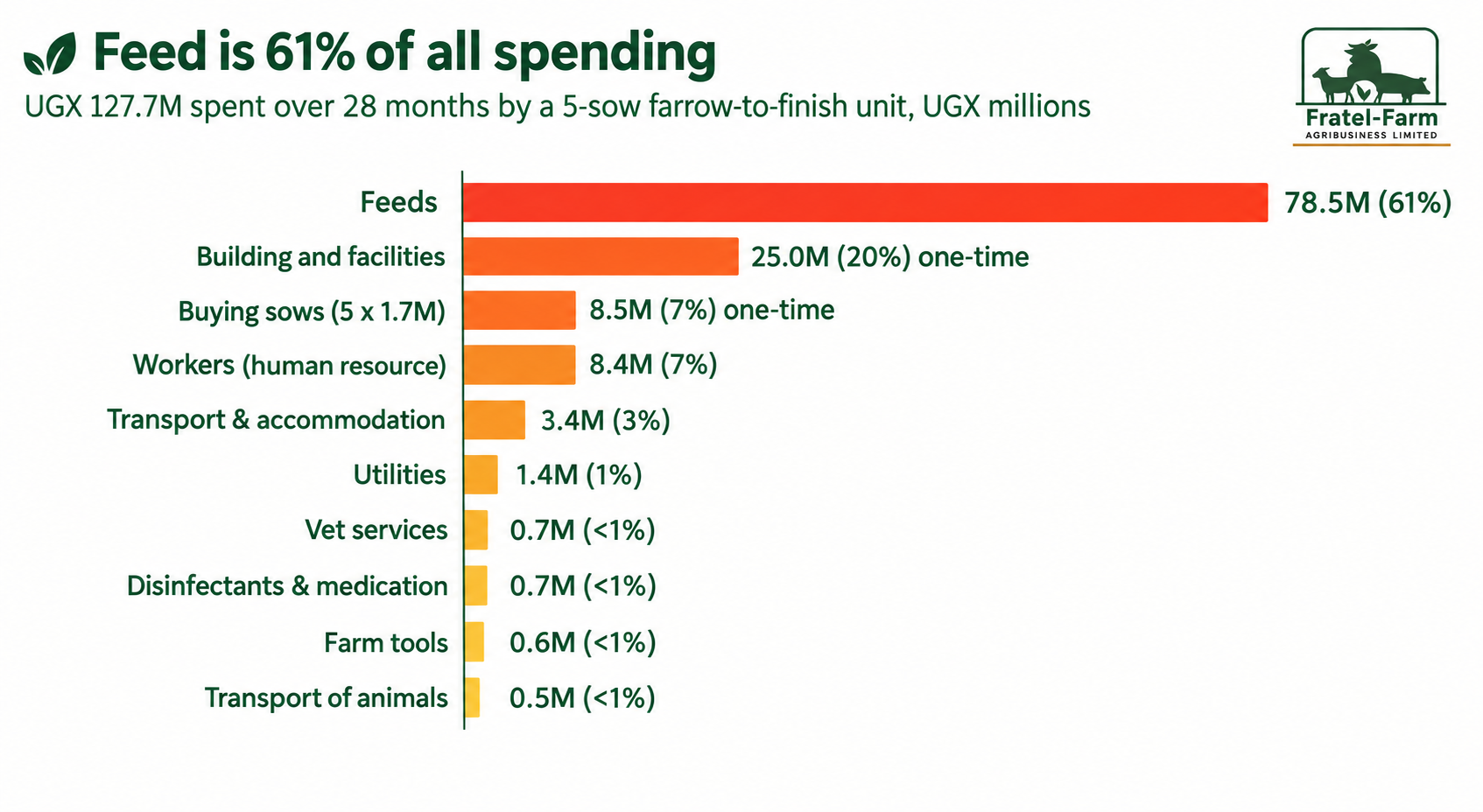
Feed, Not Fences: Where the Money Goes in a 5-Sow Piggery
A 5-sow piggery spends about UGX 127.7 million over 28 months, and 61% of it goes on feed. See where the rest goes and how to protect your cash flow.
 Swine Management
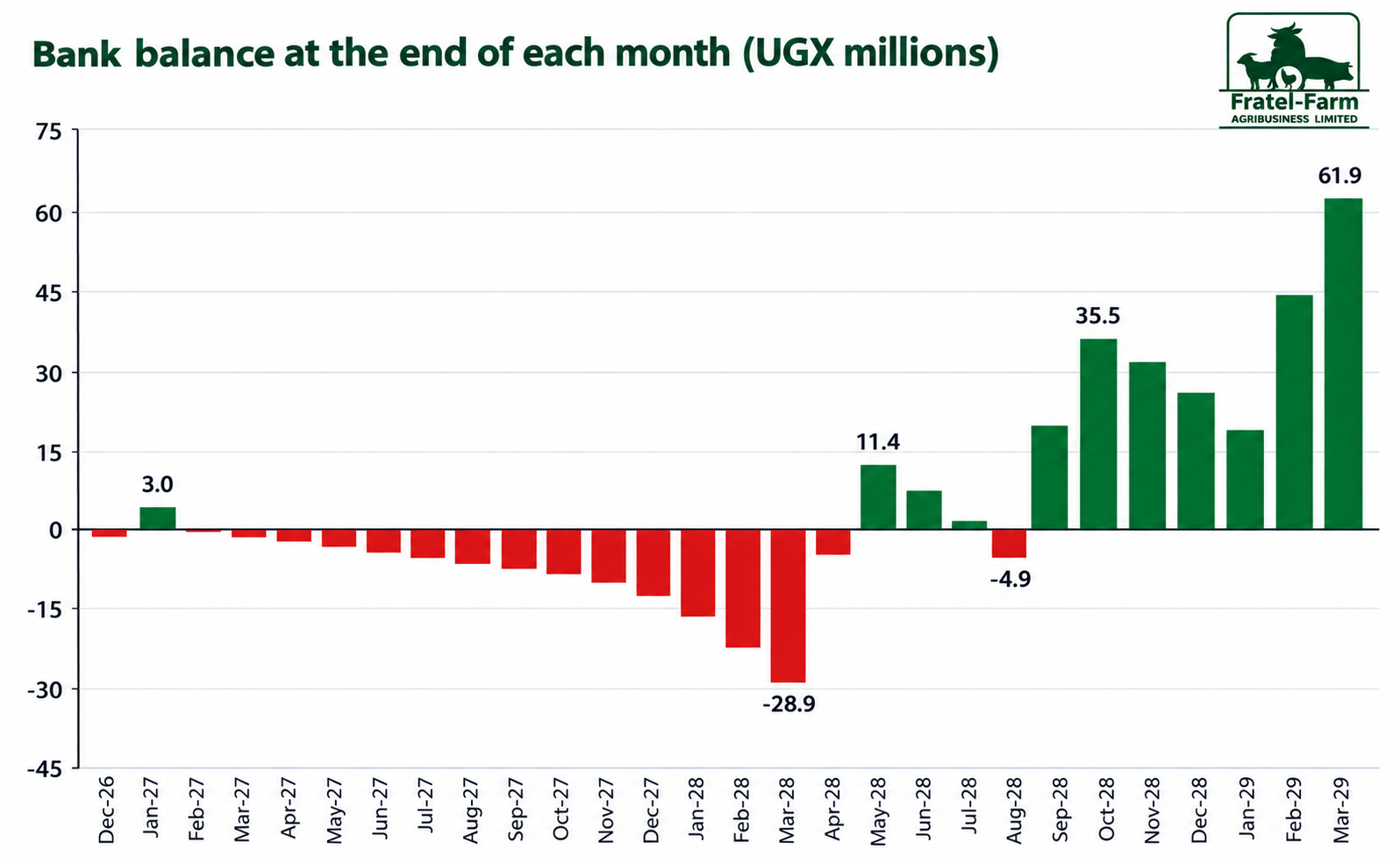
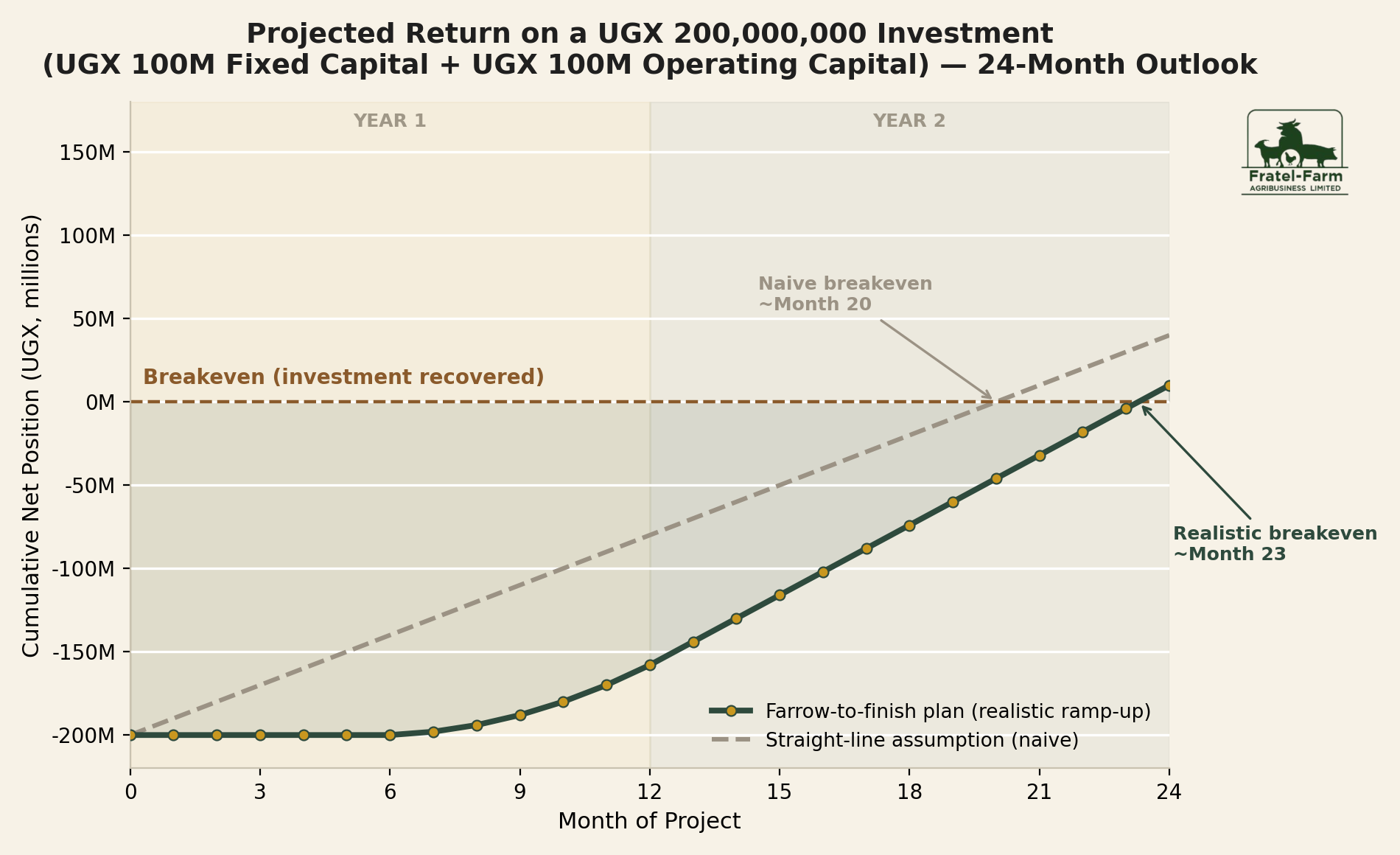
Farrow-to-Finish Piggery: Mind the Cash Flow Gap
Buy breeding stock at 10 weeks and you wait about 16 months for your first sale. See what that does to your bank balance, and four ways to close the gap.
 Swine Management
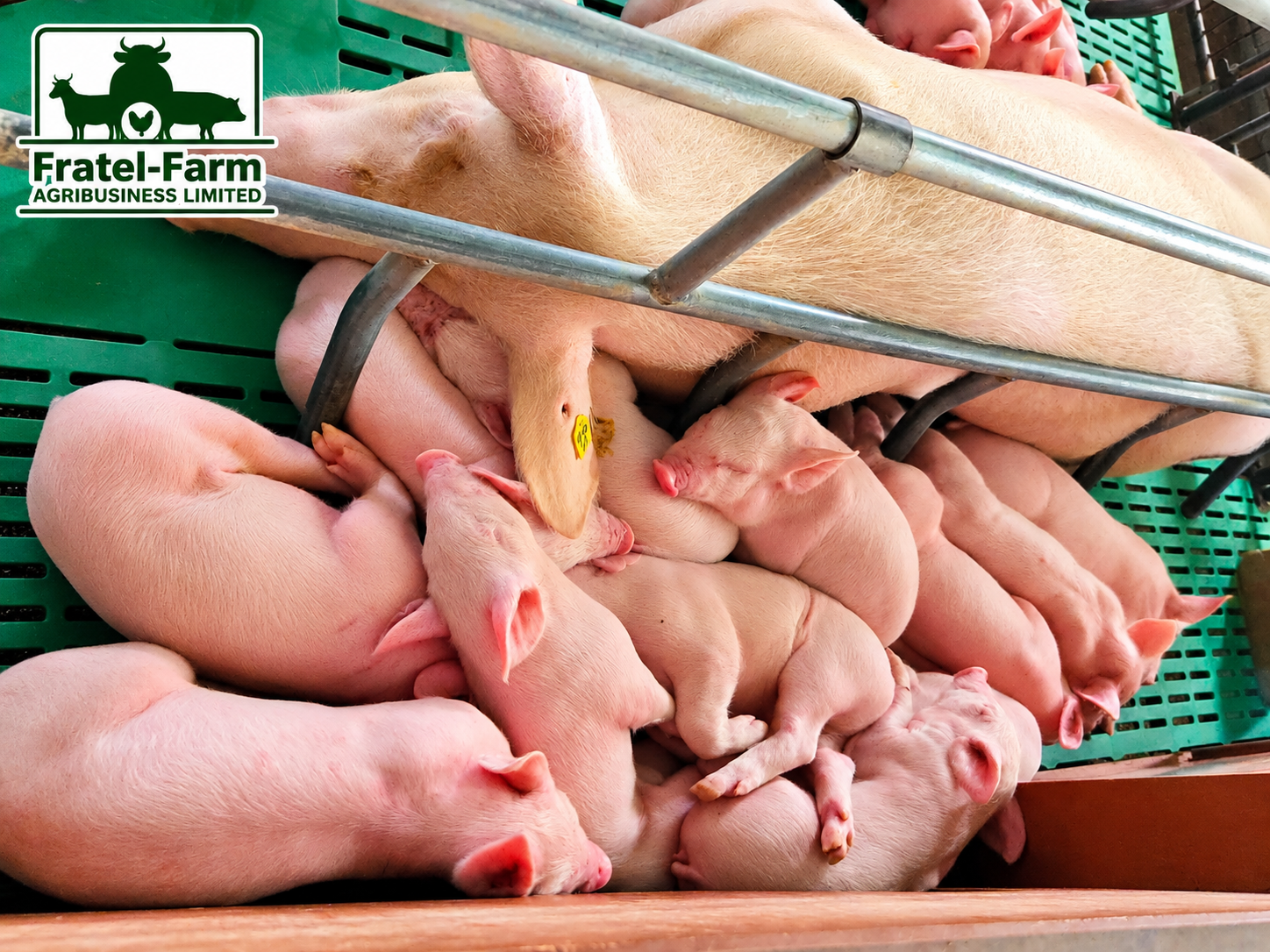
Watch the Clock: When Does a Farrowing Sow Need Your Help?
Many piglets "born dead" were actually alive when farrowing started. Know what a normal farrowing looks like and when to step in, and you can save several piglets per litter.
 Swine Management
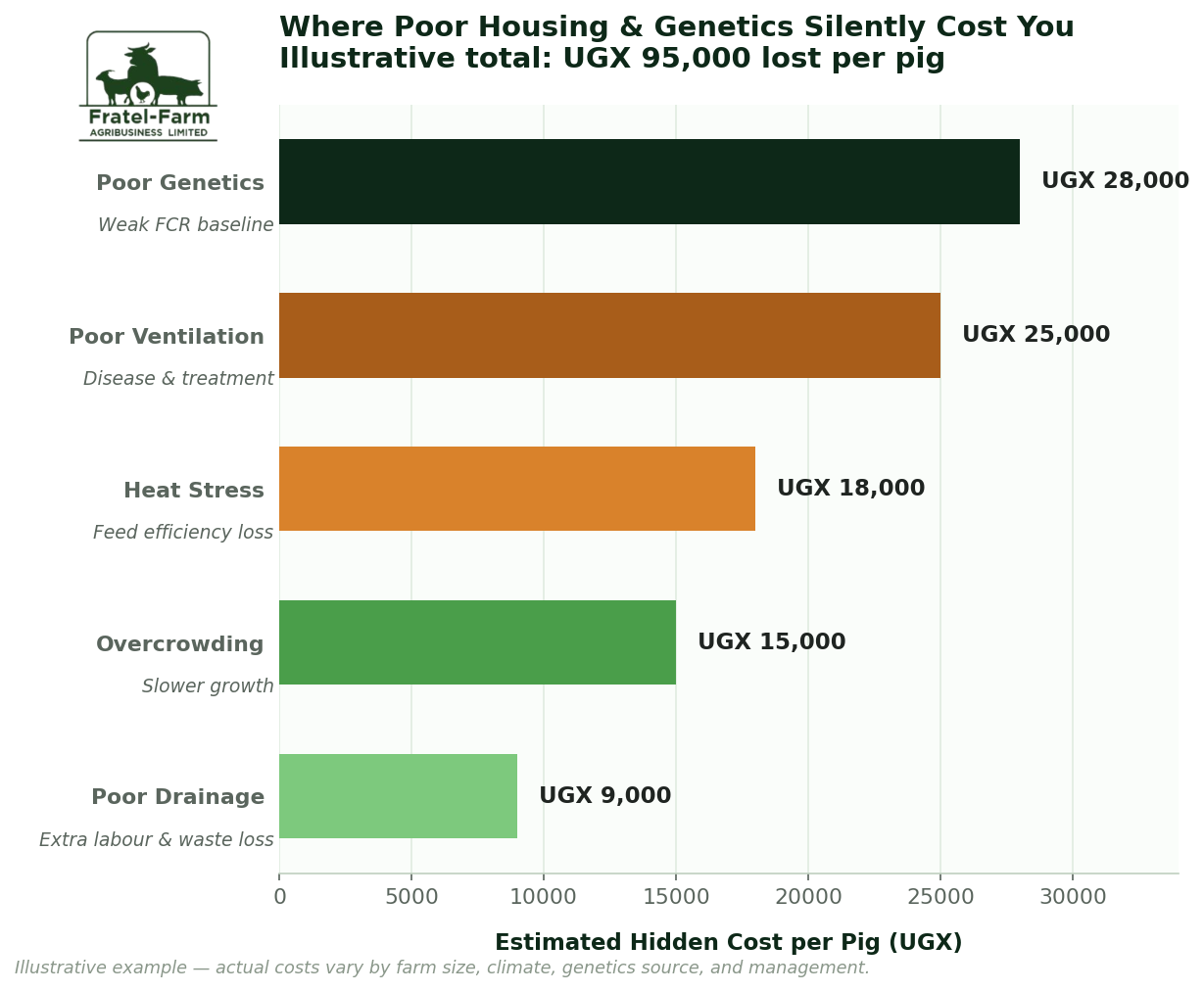
The Hidden Cost of Poor Housing & Genetics
Weak genetics, heat stress, poor ventilation, overcrowding, poor drainage — none show up as one line item, but together they quietly cap your farm's profit. Here's the real cost.
 Swine Management
Why Most Piggery Business Plans Fail Before Year One
Most homemade projections skip the exact months where new piggeries actually struggle. Here's the gap that decides whether a plan survives contact with reality.
 Genetics & Breeding Stock
F1 Is Not a Breed. So What Exactly Are You Buying?
Every pig market has "F1s" for sale — but F1 isn't a breed, it just means a first cross. Here's what to actually ask before paying more for a piglet.
 Swine Management
Reading the Pig: Why Bigger Pigs Eat More… But Don't Always Make You More Money
Every extra kilogram costs more to produce than the last. Learn what Feed Conversion Ratio (FCR) really means — and how it can tell you the best time to sell.
Swine Management
Reading the Pig: The Growth Stages That Determine Your Farm's Profitability
Every 100 kg market pig was once a tiny piglet. A healthy start creates a profitable finish. Learn how to manage the critical growth stages of your pigs.
 Farm Management
How You Can Utilise Small Space to Maximise Profits
 Business Strategy
What Is Your Growth Strategy?
 Feeds & Nutrition
Decision Making While Purchasing Feeds
 Project Updates
Our 50-Sow Unit Farm Establishment
Our 50 sow unit farm establishment in its final stages of construction and stocking. The farm blends harmoniously with the natural environment, waste management systems and flow of work.
 Training
Farm Capacity Building Is a Continuous Process
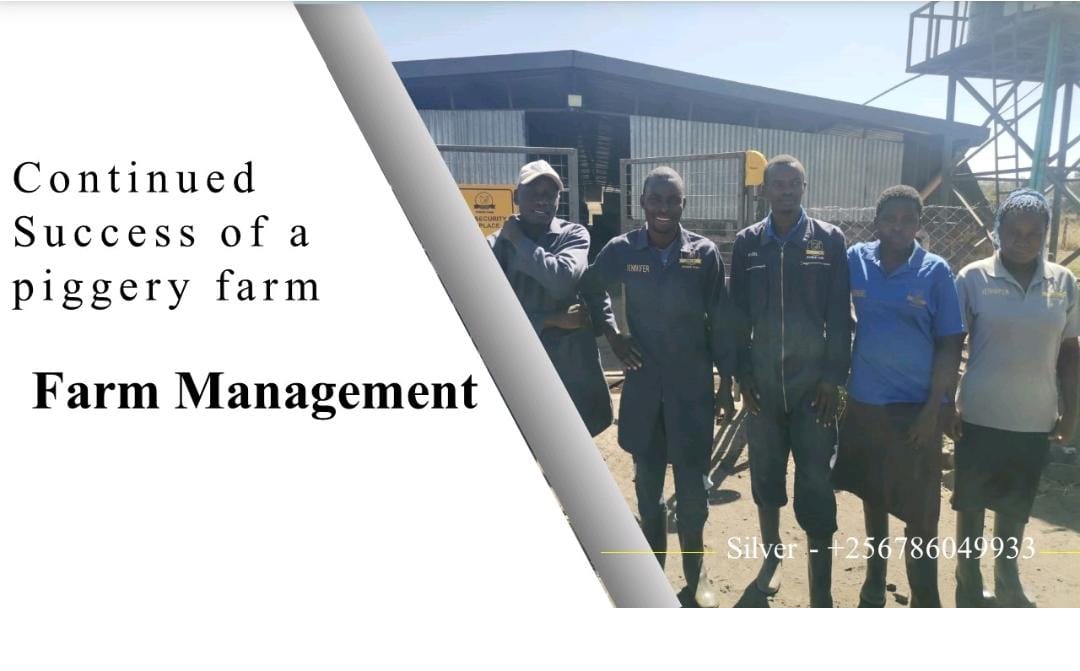
You will need to hire new staff and subsequently retire some. Learning is continuous and blends well with record-keeping on a productive farm. Many times small-medium scale farmers fail to plan and also keep up with tracking finances and records associated with their operations.
 Finance
Understanding Farm Cash Flow
You can be profitable on paper and still run out of cash. Here's how to plan production cycles, build a reserve, and keep your farm's cash flow healthy.
 Farm Planning
Why Copy-Paste Farm Structures Are Costing You
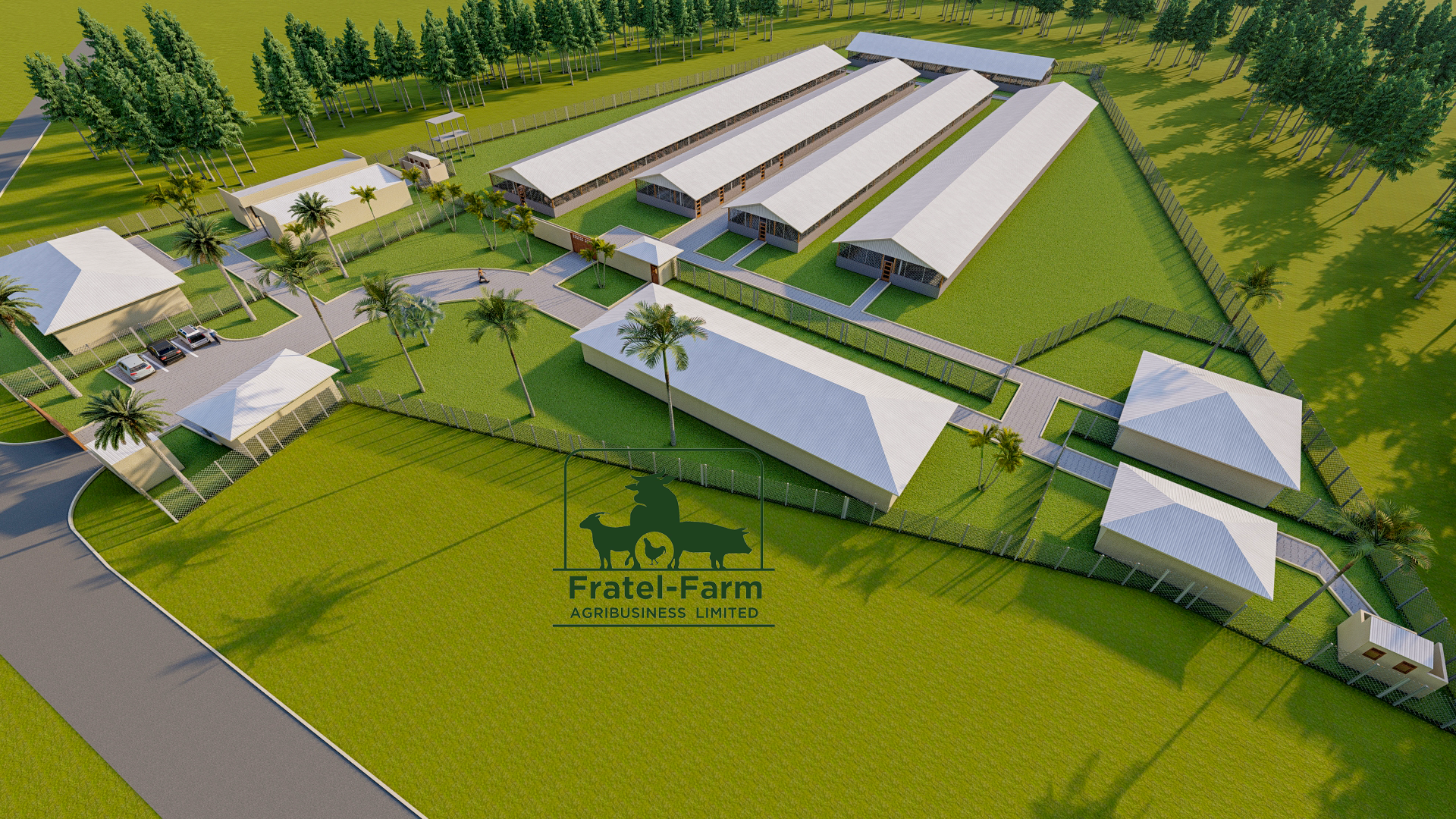
A structure built for 100 pigs isn't right for 10. Here's what a well-designed piggery actually considers — and where copy-paste designs quietly cost you money.
 Animal Health & Biosecurity
African Swine Fever: Threats and Prevention
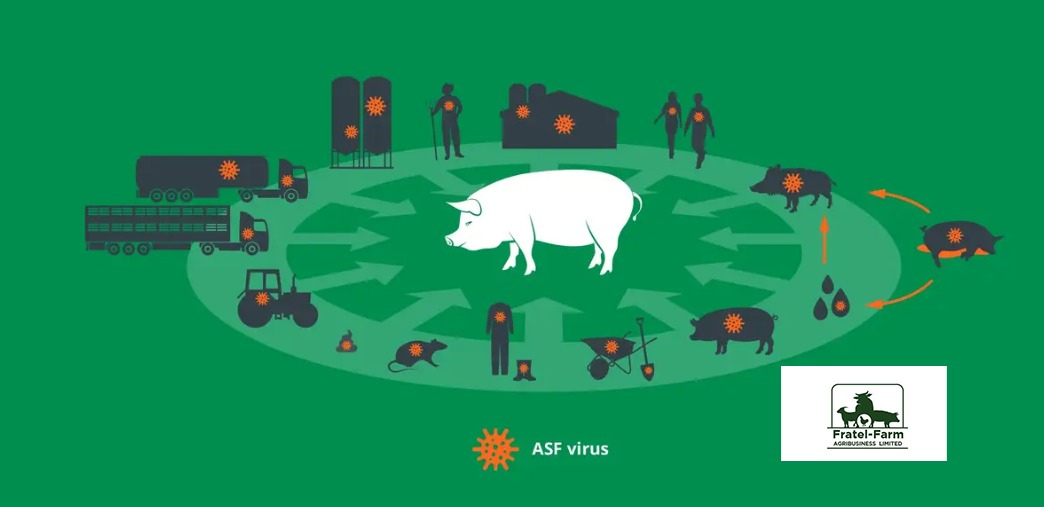
ASF is the most expensive loss a piggery can face — and most outbreaks begin with avoidable management decisions, not bad luck. Here's how to protect your farm.
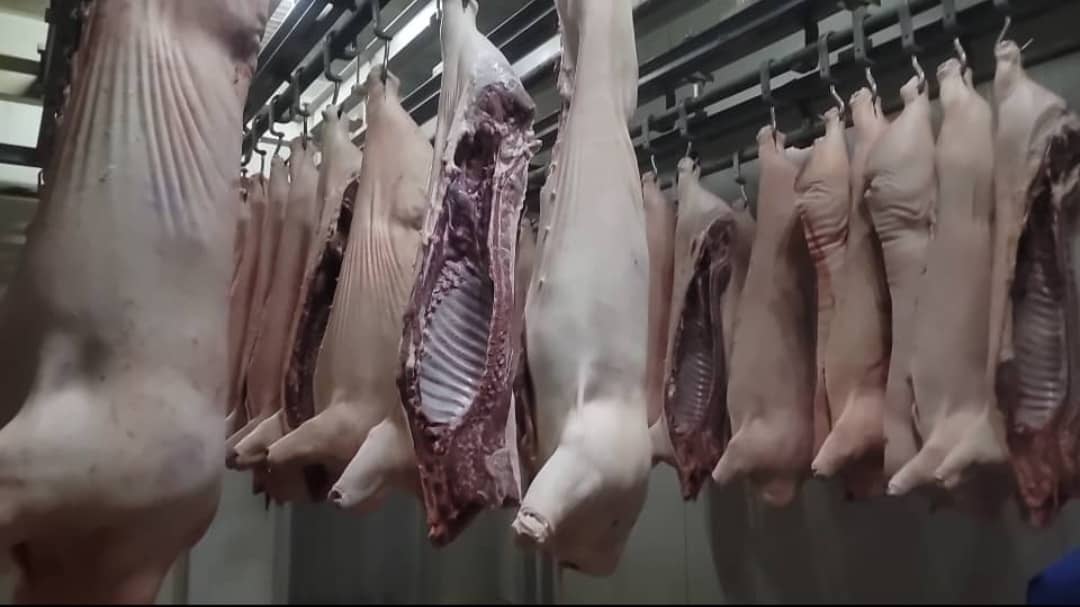 When Should You Stop Feeding and Sell Your Pigs?
As they approach 90–100 kg, however, that efficiency begins to decline. They require more feed to gain each additional kilogram, meaning your feed costs continue to rise while growth slows.
In simple terms, every extra kilogram becomes more expensive to produce. That's why many commercial pig farmers target a market weight of 90–100 kg (depending on buyer requirements). At this stage, they've captured most of the pig's profitable growth.
Keeping pigs beyond that weight only makes financial sense if: The market pays a premium for heavier pigs. Feed costs are low enough to remain profitable. You're retaining breeding stock or replacement animals. Otherwise, every extra week in the pig sty means:
- More feed consumed.
- More labour required.
- More water used.
- Greater risk of diseases like African Swine Fever and other production losses.
which all of these eat into your profit.
The smartest pig farmers don't chase the biggest pigs, they chase the best returns. Sometimes, selling a healthy 95 kg pig today will put more money in your pocket than feeding it for another month to reach 120 kg.
Here's our question for you: At what weight do you usually sell your pigs, and what influences your decision? Market price, buyer demand, or simply the pig's size?
Share your experience in the comments. Need guidance on raising pigs for maximum profitability? Fratel Farm Agribusiness is here to help you make every kilogram count.
 Housing & Welfare
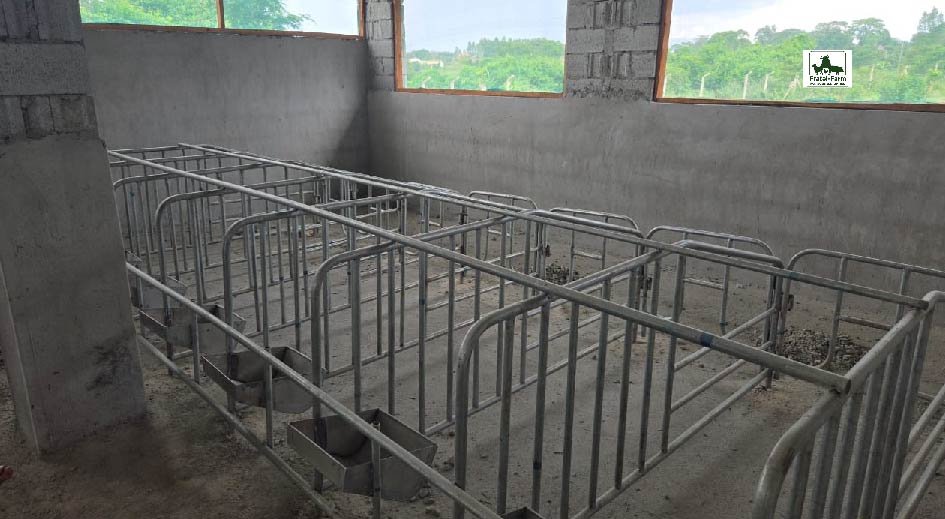
Are Gestation Crates Good or Bad?
Gestation crates help with feed monitoring, injury prevention, and health checks — but they're not right for every farm. Here's how to decide what fits yours.
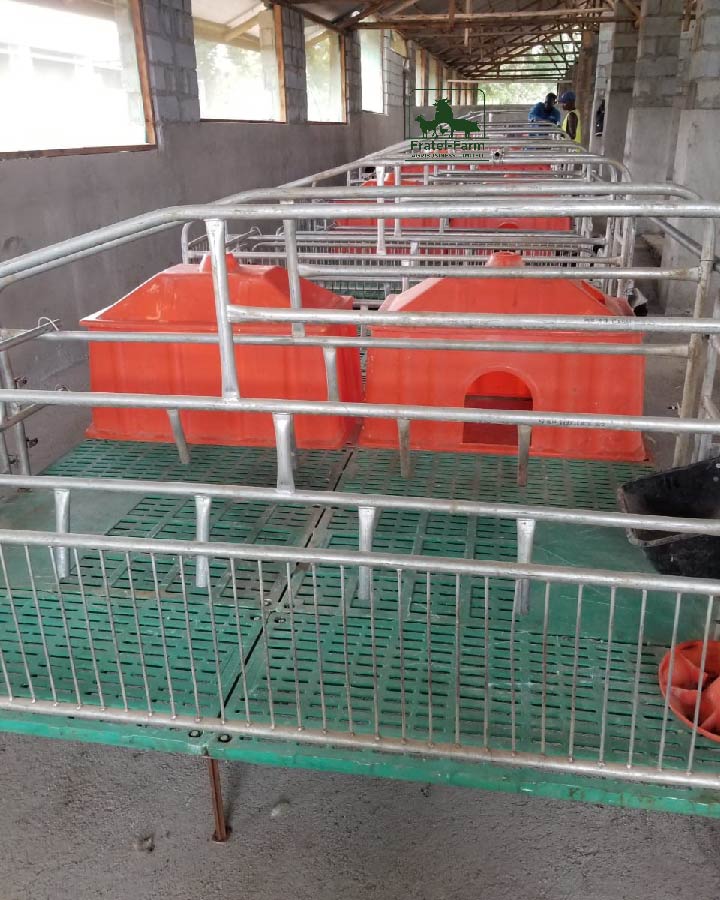 Do you need farrowing crates at your farm?
Do you need farrowing crates at your farm?
Does Your Pig Farm Need Farrowing Crates? Here's Why They Are a Smart Investment
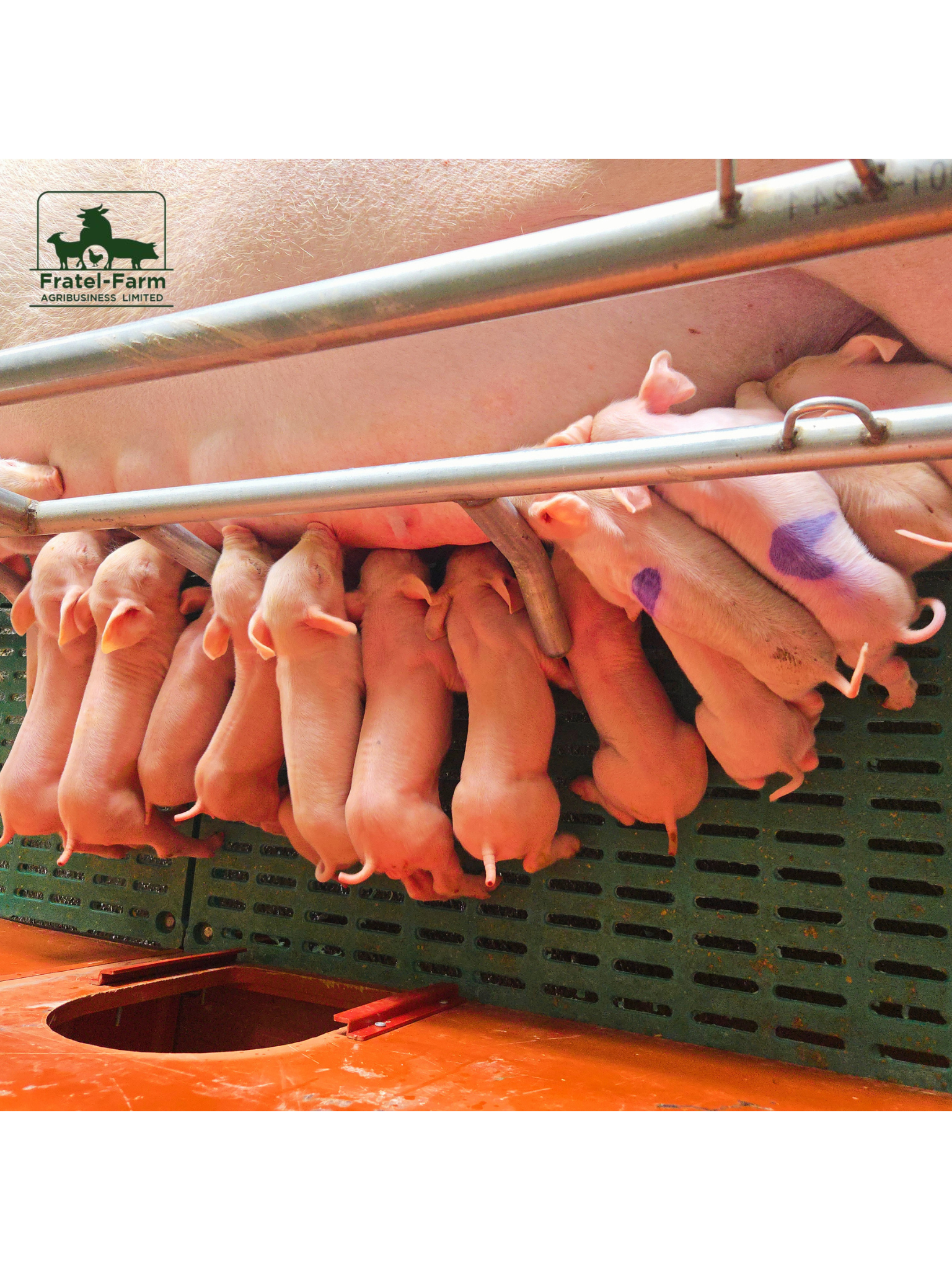
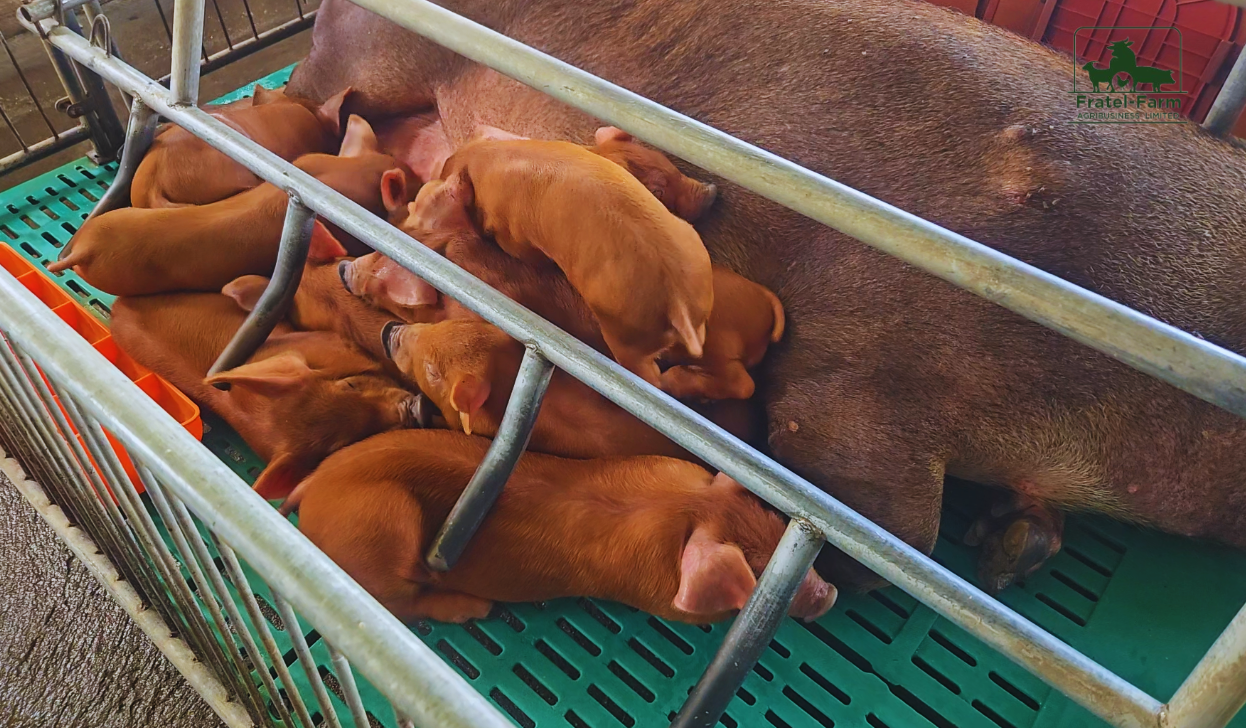
If you're looking to improve piglet survival and increase the profitability of your pig enterprise, investing in farrowing crates is one of the best decisions you can make.- The farrowing period is the most critical stage in pig production, with many piglets lost due to accidental crushing by the sow. Farrowing crates are specially designed to protect newborn piglets by limiting the sow's movement while still allowing her to stand, lie down, and nurse comfortably. This significantly reduces piglet mortality and gives every piglet a better chance of survival.
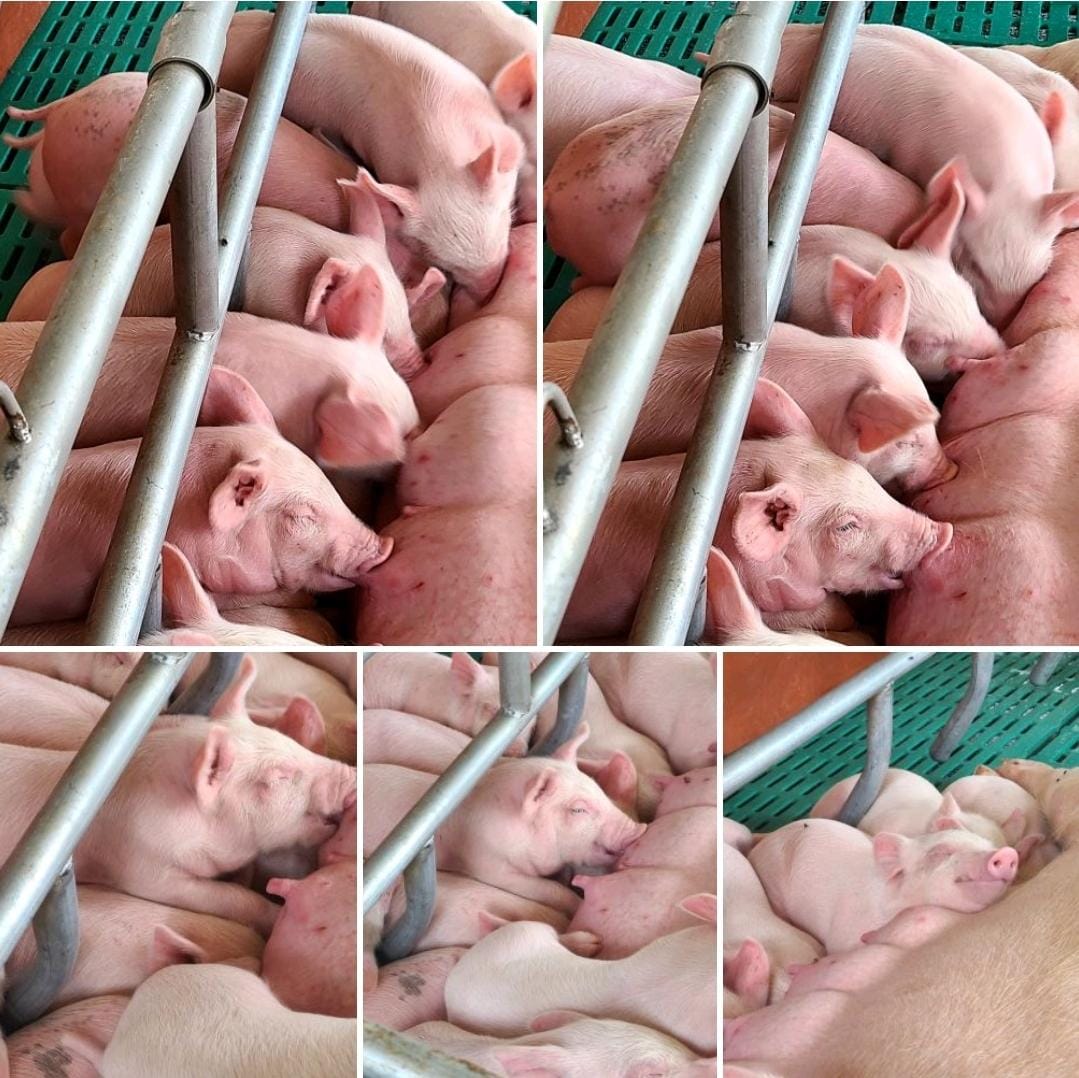
- In addition to preventing crushing, farrowing crates provide piglets with unrestricted access to the sow's milk during their first weeks of life. Adequate colostrum and regular suckling strengthen immunity, promote faster growth, and produce healthier, more uniform litters.
- The result is simple: more piglets weaned, lower production losses, and higher returns on your investment. For commercial pig farmers, every extra piglet that survives to weaning translates into increased revenue and improved farm efficiency.
- Whether you are establishing a new piggery or upgrading an existing one, quality farrowing crates are an investment that pays for itself through improved productivity and profitability.
- Protect your piglets. Increase survival. Maximize your profits. Invest in quality farrowing crates today. contact us for farrowing crates and piggery equipment.