
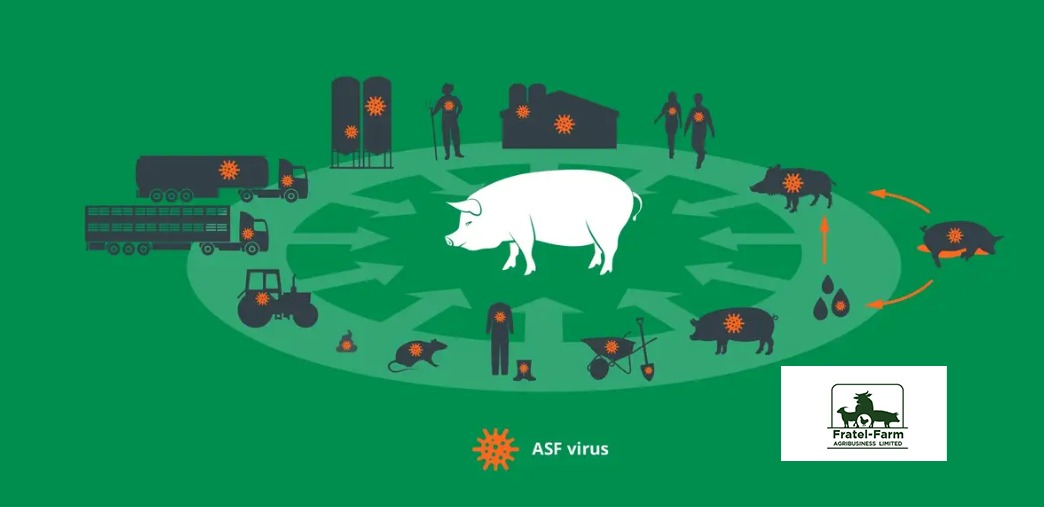
African Swine Fever (ASF) is the single most expensive loss a piggery business can face. For many small and medium-scale pig farmers in Uganda, it remains one of the biggest threats to profitability — capable of wiping out an entire herd in a matter of weeks.
The unfortunate reality is that many outbreaks begin with avoidable management decisions, not unavoidable circumstances.
🚨 How Most Outbreaks Actually Start
Before ASF ever reaches a farm, it usually walks in through one of these doors:
- Purchasing replacement stock without quarantine.
- Allowing unrestricted visitor access to pig units.
- Poor sanitation of feeding equipment.
None of these are dramatic mistakes — they're everyday shortcuts. That's exactly why ASF catches so many farms off guard.
🦠 How ASF Spreads
ASF spreads primarily through:
- Infected pigs.
- Contaminated equipment, vehicles, and clothing.
- People moving between farms.
- Contaminated feed and pork products.
🛡️ Building a Biosecurity-First Farm
The good news: the interventions that matter most are simple and low-cost.
- Controlled farm access — know who comes in and out.
- Quarantine procedures for every new animal.
- Daily sanitation of pens, equipment, and footwear.
- Sourcing pigs only from reputable, verifiable sources.
Together, these steps reduce disease risk substantially while protecting the long-term sustainability of your business.
If you're planning to start or improve your piggery, we'd be glad to help.