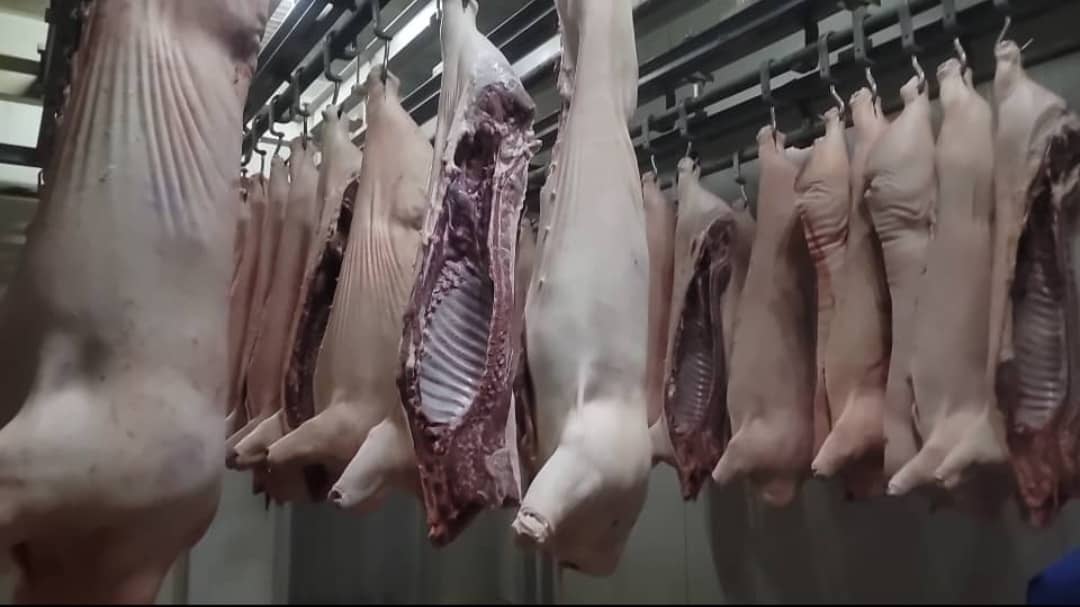
When Should You Stop Feeding and Sell Your Pigs? One of the biggest profit killers in pig farming is keeping pigs longer than you should
Many farmers believe that the heavier the pig, the bigger the profit. But profitable pig farming isn't about producing the heaviest pig, it's about knowing the right time to sell.
Here's why. Young pigs convert feed into body weight very efficiently. Between 30 kg and 70 kg, they grow rapidly because each kilogram of feed results in significant weight gain.
As they approach 90–100 kg, however, that efficiency begins to decline. They require more feed to gain each additional kilogram, meaning your feed costs continue to rise while growth slows.
In simple terms, every extra kilogram becomes more expensive to produce. That's why many commercial pig farmers target a market weight of 90–100 kg (depending on buyer requirements). At this stage, they've captured most of the pig's profitable growth.
Keeping pigs beyond that weight only makes financial sense if: The market pays a premium for heavier pigs. Feed costs are low enough to remain profitable. You're retaining breeding stock or replacement animals. Otherwise, every extra week in the pig sty means:
- More feed consumed.
- More labour required.
- More water used.
- Greater risk of diseases like African Swine Fever and other production losses.
which all of these eat into your profit.
The smartest pig farmers don't chase the biggest pigs, they chase the best returns. Sometimes, selling a healthy 95 kg pig today will put more money in your pocket than feeding it for another month to reach 120 kg.
Here's our question for you: At what weight do you usually sell your pigs, and what influences your decision? Market price, buyer demand, or simply the pig's size?
Share your experience in the comments. 👇 Need guidance on raising pigs for maximum profitability? Fratel Farm Agribusiness is here to help you make every kilogram count.